

Problems of translation of neologisms - Munira
Kurs ishlari | Ingliz tili



25 000 so'm
- Betlar soni:37 ta
- Fayl hajmi :28.82 KB
- Fayl turi:.docx
Mahsulot tavsifi
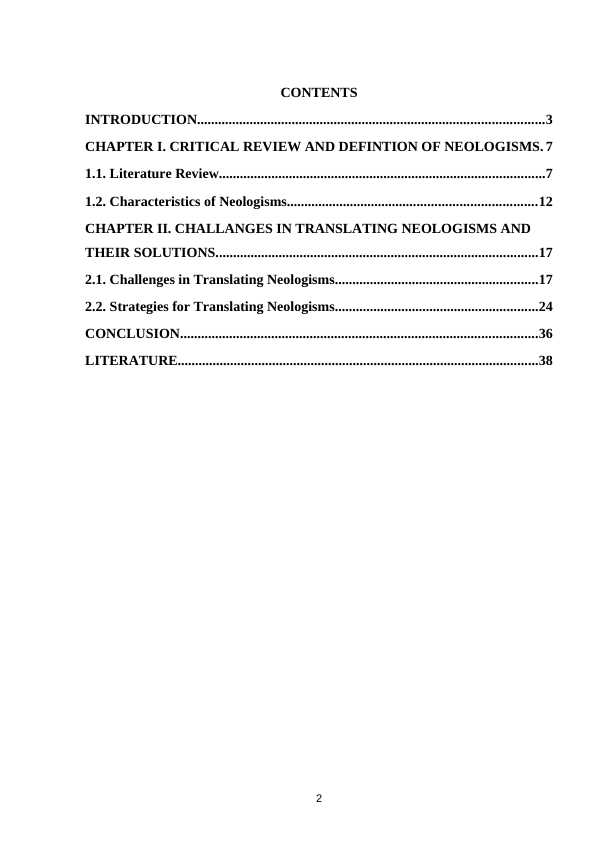
This comprehensive academic research explores the linguistic and cultural complexities involved in translating neologisms between English and Uzbek. It begins with a critical review of neologisms—newly coined words or expressions that emerge in response to technological advances, social changes, and cultural trends. The work examines their formation, adoption, and integration into both English and Uzbek lexicons, highlighting their role in reflecting societal evolution.
The second part of the research delves into the multifaceted challenges translators face, including semantic ambiguity, cultural specificity, and structural differences between the two languages. A detailed analysis is provided on the rapid pace of neologism creation and its implications for maintaining semantic equivalence in translation.
The study proposes practical strategies such as borrowing, calquing, adaptation, coinage, paraphrasing, and contextualization. These are evaluated through well-chosen case studies that demonstrate successful and unsuccessful neologism translations, providing insights into best practices. The paper also outlines the importance of understanding context and audience in selecting translation methods, and the broader impact of neologisms on cross-cultural communication.
Concluding with future research recommendations, the work emphasizes the importance of cultural competence, continuous professional development, and technological support in the effective translation of neologisms. It is a valuable resource for translators, linguists, and language learners engaged in the dynamic field of translation studies.


Soffchi Magistr
Yuklanmoqda...
0 ta izoh